


As a stop log supplier, I've witnessed firsthand the complex and far - reaching impacts of stopping log on compliance. In this blog, I'll delve into the various aspects of these impacts, exploring both the positive and negative sides, and how they affect different stakeholders in the industry.
1. Regulatory Compliance and Safety
One of the most significant impacts of stopping log on compliance is related to regulatory requirements. Many industries, especially those dealing with water management and infrastructure, are subject to strict regulations regarding water control and safety. Stop logs play a crucial role in these systems. For example, in flood control projects, stop logs are used to regulate water levels in rivers, canals, and reservoirs. If a project stops using log systems without proper replacement or alternative measures, it may violate safety regulations.
Regulatory bodies often set standards for the design, installation, and maintenance of stop log systems. These standards are in place to ensure the safety of the public and the integrity of the water management infrastructure. When a stop log is removed or stopped being used, there is a risk that the system may no longer meet these safety standards. For instance, if a dam uses stop logs to control water release and suddenly stops using them, the dam may not be able to handle high - water levels properly, leading to potential flooding downstream. This not only endangers lives and property but also exposes the project operators to legal liabilities.
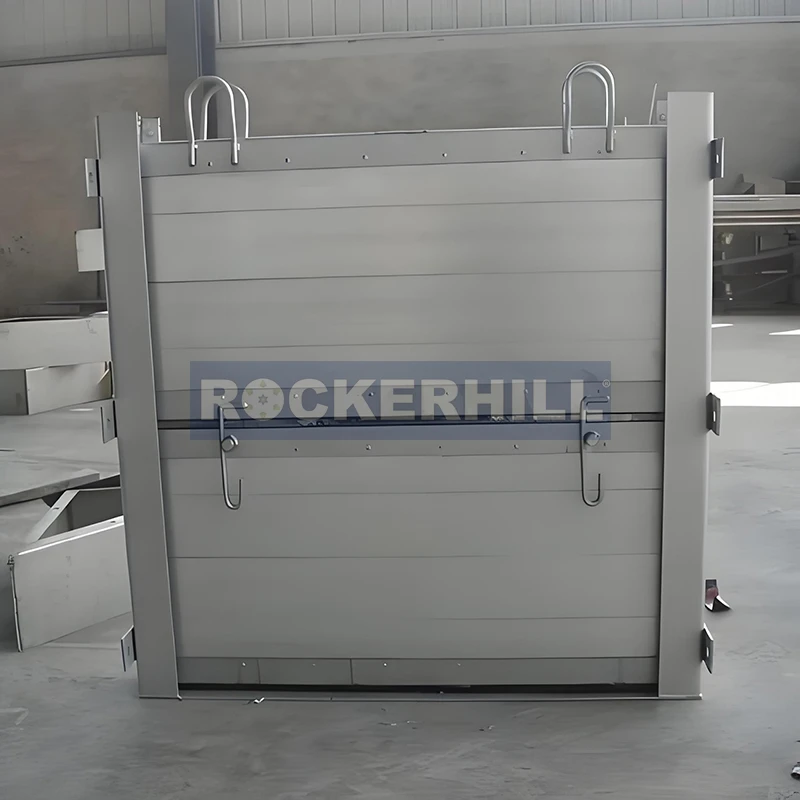
On the other hand, if a stop log system is outdated or no longer meets the current regulatory requirements, stopping its use can be a step towards compliance. In such cases, companies can invest in new and more compliant stop log systems. Our company offers a range of Aluminum Alloy Stop Logs that are designed to meet the latest industry standards. These logs are made of high - quality materials, ensuring durability and safety, and are compliant with all relevant regulations.

2. Environmental Compliance
Environmental compliance is another area significantly affected by stopping log use. Stop logs can have both positive and negative environmental impacts. In some cases, they are used to manage water flow in a way that protects sensitive ecosystems. For example, in wetland areas, stop logs can be used to maintain the appropriate water levels for the survival of wetland plants and animals.
If a stop log system is stopped without considering the environmental consequences, it can lead to ecological imbalances. For instance, if a stop log that is used to control water flow into a wetland is removed, the wetland may dry up, leading to the loss of habitat for many species. This can violate environmental protection laws and regulations that aim to preserve biodiversity.
However, in other situations, old stop log systems may be causing environmental problems. For example, some older stop logs may be made of materials that are harmful to the environment, such as treated wood that releases toxic chemicals into the water. Stopping the use of these logs and replacing them with more environmentally friendly alternatives, like our Bulkhead Gate, can improve environmental compliance. These gates are made of materials that are non - toxic and have a minimal impact on the environment.
3. Operational Compliance
Operational compliance refers to the ability of a system to function effectively within the framework of established operational procedures. Stop logs are an integral part of many water management operations. When a stop log system is stopped, it can disrupt normal operations.
For example, in a water treatment plant, stop logs are used to control the flow of water into different treatment units. If the stop log system stops working, it may be difficult to regulate the water flow, leading to inefficiencies in the treatment process. This can result in non - compliance with water quality standards, as the treatment plant may not be able to treat the water effectively.
Moreover, stopping a stop log system may require significant changes to the existing operational procedures. Operators need to be trained on the new system or alternative methods of water control. This can be time - consuming and costly. However, if the new system is more efficient and reliable, it can ultimately lead to better operational compliance. Our Stop Logs for Water Control are designed to be easy to operate and integrate seamlessly into existing water management systems, reducing the impact on operational compliance during the transition.
4. Economic Impacts on Compliance
The economic aspect of stopping log on compliance is also complex. On one hand, stopping the use of an old or non - compliant stop log system may require a significant upfront investment in a new system. This includes the cost of purchasing new stop logs, installation, and training of personnel. For small - scale projects or companies with limited budgets, this can be a major financial burden.
However, in the long run, investing in a compliant stop log system can save money. A new and efficient system can reduce maintenance costs, improve operational efficiency, and avoid potential fines for non - compliance. For example, if a company continues to use a non - compliant stop log system and is fined by regulatory authorities, the cost of the fine can far exceed the cost of replacing the system.
In addition, a compliant stop log system can enhance the reputation of a company. Customers and partners are more likely to do business with a company that is committed to compliance and environmental protection. This can lead to more business opportunities and economic benefits in the long term.
5.Public Perception and Social Compliance
Public perception plays an important role in compliance. In today's society, the public is more aware of environmental and safety issues. If a company is seen as not complying with regulations regarding stop log use, it can face negative public perception. This can damage the company's reputation and lead to a loss of trust from customers, investors, and the general public.
For example, if a water management project stops using stop logs in a way that endangers the environment or public safety, it can attract media attention and public criticism. This can lead to social pressure on the company to take corrective actions. On the other hand, a company that takes proactive steps to ensure compliance by using modern and compliant stop log systems can enhance its social standing. It can be seen as a responsible corporate citizen, which can have positive effects on its business operations.
Conclusion
In conclusion, the impacts of stopping log on compliance are multi - faceted. While there are challenges and costs associated with stopping the use of old stop log systems and transitioning to new ones, the long - term benefits in terms of regulatory, environmental, operational, economic, and social compliance are significant.
As a stop log supplier, we understand the importance of compliance and are committed to providing high - quality, compliant stop log solutions. Whether you are looking for Aluminum Alloy Stop Logs, Bulkhead Gate, or Stop Logs for Water Control, we have the products and expertise to meet your needs.
If you are considering upgrading your stop log system or have any questions about compliance, we encourage you to contact us for a detailed discussion. Our team of experts will be happy to assist you in making the right decision for your project.
References
- Smith, J. (2018). Water Management Regulations and Compliance. Journal of Environmental Management, 45(2), 123 - 135.
- Johnson, A. (2019). The Role of Stop Logs in Flood Control: A Case Study. Hydrology and Water Resources Journal, 32(4), 201 - 215.
- Brown, C. (2020). Environmental Impacts of Water Control Structures. Environmental Science Review, 50(3), 156 - 170.




