


Hey there! I'm a supplier of bar screens, and today I'm super excited to chat with you about the operation principle of a mechanical bar screen. It's a pretty cool piece of equipment that plays a crucial role in various industries, especially in wastewater treatment and water intake systems.
What is a Mechanical Bar Screen?
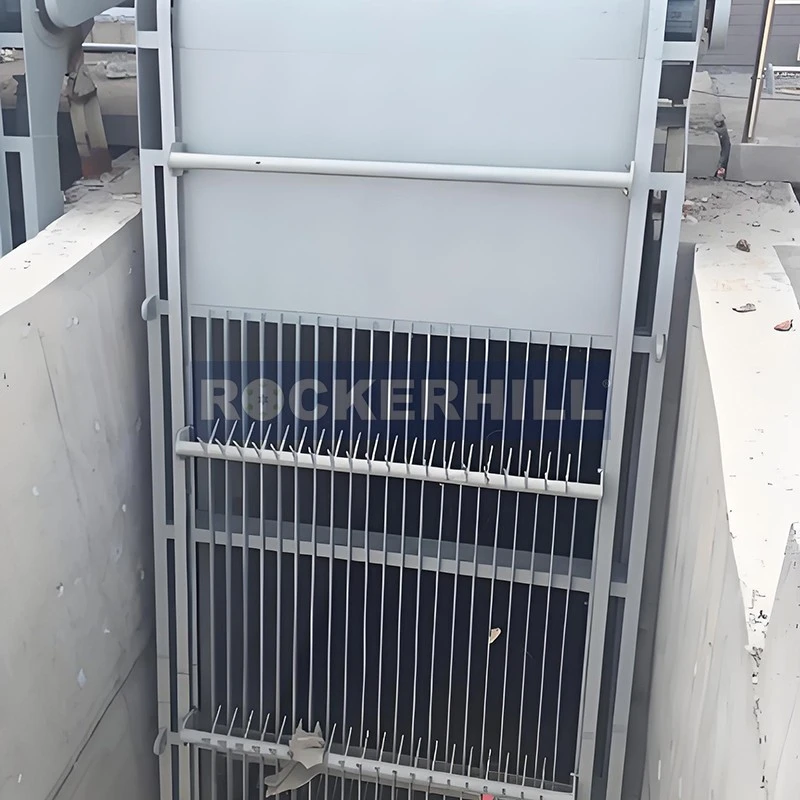
First off, let's quickly define what a mechanical bar screen is. It's a device used to remove large debris and solids from water flow. You can think of it as a big filter with bars spaced at specific intervals. These bars act as a barrier, stopping things like sticks, leaves, plastics, and other large objects from passing through.
How Does It Work?
The operation of a mechanical bar screen can be broken down into a few key steps.
1. Water Flow and Approach
The process starts when water containing debris approaches the bar screen. The water is usually flowing in a channel or a pipe, and as it reaches the screen, the large debris in the water starts to encounter the bars. The design of the bar screen is such that it's placed perpendicular to the direction of the water flow. This setup ensures that the debris gets caught on the bars rather than passing through.
2. Debris Entrapment
As the water flows through the gaps between the bars, the larger debris is too big to fit through and gets trapped on the upstream side of the screen. The spacing between the bars is carefully chosen based on the size of the debris that needs to be removed. For example, in a wastewater treatment plant, the bar spacing might be set to catch objects larger than a few millimeters to prevent damage to downstream equipment.
3. Raking Mechanism
Once the debris is trapped on the bars, a raking mechanism comes into play. This is what makes a mechanical bar screen different from a simple static screen. The raking mechanism is designed to remove the accumulated debris from the bars. There are different types of raking mechanisms, but the most common ones are chain-driven or cable-driven.
The rake moves along the bars, either from the top down or from the bottom up, depending on the design of the screen. As it moves, it scrapes the debris off the bars and collects it in a hopper or a conveyor. This continuous raking action ensures that the screen doesn't get clogged and can keep functioning efficiently.
4. Debris Disposal
After the debris is collected by the rake, it needs to be disposed of properly. This can be done in several ways. In some cases, the debris is simply dumped into a waste container for further treatment or landfill. In other situations, it might be sent to a composting facility if the debris is organic. The choice of disposal method depends on the nature of the debris and local regulations.
Applications of Mechanical Bar Screens
Mechanical bar screens have a wide range of applications. One of the most common applications is in wastewater treatment plants. In these plants, the bar screen is usually the first step in the treatment process. It helps to protect downstream equipment such as pumps, valves, and filters from damage caused by large debris.
Another important application is in water intake systems for power plants, industrial facilities, and desalination plants. In these systems, the bar screen is used to prevent debris from entering the water intake and causing problems with the equipment. For example, in a Bar Screens For Sea Water Desalination system, the bar screen helps to protect the reverse osmosis membranes from fouling by large particles.
Design Considerations
When it comes to designing a mechanical bar screen, there are several factors that need to be taken into account.

1. Bar Spacing
As mentioned earlier, the bar spacing is a critical factor. It needs to be chosen based on the size of the debris that needs to be removed. If the bar spacing is too wide, large debris might pass through and cause problems downstream. On the other hand, if the bar spacing is too narrow, the screen might get clogged more easily, reducing the flow rate of the water.
2. Rake Speed
The speed of the raking mechanism also needs to be carefully adjusted. If the rake moves too slowly, the debris might accumulate on the bars and cause clogging. If it moves too fast, it might not be able to collect all the debris effectively. The rake speed is usually determined based on the flow rate of the water and the amount of debris in the water.
3. Material Selection
The materials used to construct the bar screen and the raking mechanism are also important. They need to be able to withstand the harsh conditions in the water, such as corrosion and abrasion. Common materials used for bar screens include stainless steel, carbon steel, and fiberglass.
Advantages of Mechanical Bar Screens
There are several advantages to using mechanical bar screens.
1. Efficiency
Mechanical bar screens are very efficient at removing large debris from water flow. The continuous raking action ensures that the screen doesn't get clogged, allowing for a consistent flow of water through the system.
2. Automation
Most mechanical bar screens are automated, which means they can operate continuously without the need for constant human supervision. This reduces labor costs and improves the overall reliability of the system.
3. Customization
Mechanical bar screens can be customized to meet the specific needs of different applications. The bar spacing, rake design, and other parameters can be adjusted based on the requirements of the project.
Conclusion
In conclusion, the operation principle of a mechanical bar screen is based on the simple idea of using bars to trap debris and a raking mechanism to remove it. This technology has been around for a long time and has proven to be very effective in a wide range of applications.
If you're in the market for a mechanical bar screen, you might want to check out our Mechanical Bar Screen page for more information on our products. And if you're interested in the design aspects, our Bar Screen Design page has some great insights.
We're always happy to chat with potential customers about their specific needs. Whether you're working on a small-scale project or a large industrial installation, we can help you find the right bar screen solution. So, if you have any questions or want to start a procurement discussion, don't hesitate to reach out.
References
- Standard textbooks on wastewater treatment and water intake systems.
- Industry reports on the use of bar screens in different applications.




