


Hey there! As a supplier of bar screens, I'm super stoked to chat about the role of bar screens in a plastic manufacturing plant. You might be wondering, "What on earth does a bar screen have to do with making plastic?" Well, let me break it down for you.
First off, what exactly is a bar screen? A bar screen is a simple yet incredibly effective piece of equipment. It consists of a series of parallel bars, usually made of metal, that are placed vertically or at an angle in a flow path. The gaps between these bars can be adjusted depending on the specific requirements of the application.
In a plastic manufacturing plant, bar screens play a crucial role in the initial stages of the production process. Plastic manufacturing involves the use of various raw materials, and these materials are often sourced from different places. They can contain all sorts of unwanted debris, such as dirt, stones, and even small pieces of metal. If these contaminants are not removed, they can cause serious problems downstream in the manufacturing process.
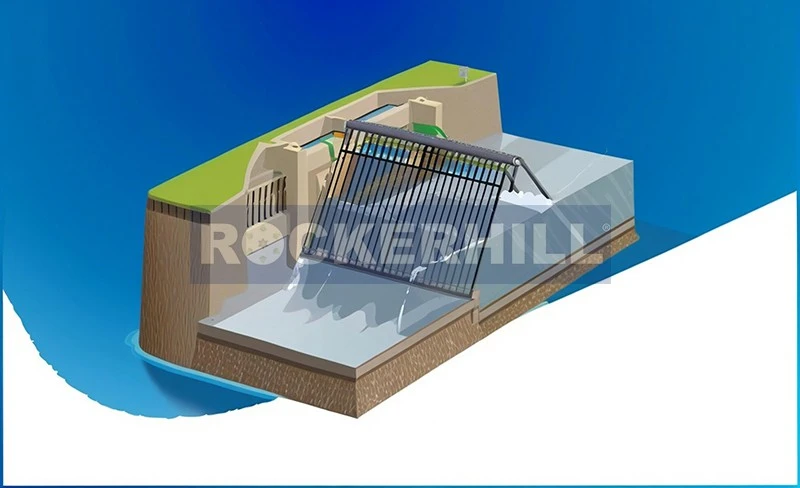

One of the main functions of a bar screen in a plastic manufacturing plant is to remove large solid objects from the raw materials. For example, if the plastic is being made from recycled materials, the recycled plastic might come with all kinds of junk mixed in. The bar screen acts as the first line of defense, preventing these large objects from entering the processing equipment. This helps to protect the expensive machinery in the plant from damage. Imagine a big rock getting into a plastic extruder – it could cause a major breakdown and lead to costly repairs and downtime.
Another important role is to control the flow of materials. In a plastic manufacturing plant, the raw materials need to be fed into the production line at a consistent rate. A bar screen can help regulate the flow by allowing only the right-sized particles to pass through. This ensures that the manufacturing process runs smoothly and efficiently. It's like a traffic cop for the raw materials, making sure everything moves along at the right pace.
Let's talk about the different types of bar screens that are commonly used in plastic manufacturing plants. There are mechanical bar screens, which are powered by motors to continuously remove the debris caught on the bars. These are great for high - volume applications where a lot of debris needs to be removed quickly. You can check out more about Mechanical Bar Screen on our website.
There are also manual bar screens, which are simpler and more cost - effective for smaller plants or applications with lower debris loads. Manual bar screens require periodic cleaning by workers to remove the trapped debris.
The design of the bar screen is also crucial. The spacing between the bars needs to be carefully chosen based on the size of the debris that needs to be removed and the size of the raw material particles. A well - designed bar screen can significantly improve the efficiency of the plastic manufacturing process. You can learn more about Bar Screen Design to understand how to optimize the performance of your bar screen.
In addition to protecting the machinery and controlling the flow of materials, a bar screen can also improve the quality of the final plastic product. By removing contaminants early in the process, the resulting plastic is cleaner and more consistent in quality. This is especially important for applications where high - quality plastic is required, such as in the medical or food packaging industries.
Bar screens can also be used in the water treatment systems of a plastic manufacturing plant. Plastic manufacturing often involves a lot of water, whether it's for cooling the machinery or cleaning the raw materials. The water used in the plant needs to be clean to avoid any contamination of the plastic products. A bar screen can be used to remove large debris from the incoming water supply. If you're interested in bar screens for water treatment, you can check out Bar Screens For Sea Water Desalination, which has some relevant information.
Now, let's touch on the maintenance of bar screens. Regular maintenance is essential to keep the bar screen working properly. This includes cleaning the bars to prevent clogging, checking the mechanical components (if it's a mechanical bar screen), and inspecting for any signs of wear and tear. A well - maintained bar screen will have a longer lifespan and provide more reliable performance.
When it comes to choosing a bar screen for your plastic manufacturing plant, there are a few things to consider. You need to think about the volume of raw materials, the size of the debris, the flow rate, and the overall layout of your plant. Our team of experts can help you select the right bar screen for your specific needs.
If you're in the plastic manufacturing business and are looking for a reliable bar screen supplier, we've got you covered. We've been in the business for years and have a wide range of bar screens to choose from. Our products are known for their quality, durability, and efficiency. Whether you need a small manual bar screen for a startup plant or a large mechanical bar screen for a big - scale operation, we can provide the perfect solution.
We understand that every plastic manufacturing plant is unique, and we're committed to providing customized solutions. We can work with you to design and install a bar screen system that fits your exact requirements. So, if you're interested in learning more about our bar screens or want to discuss your specific needs, don't hesitate to reach out. We're here to help you improve the efficiency and productivity of your plastic manufacturing process.
In conclusion, a bar screen is an essential piece of equipment in a plastic manufacturing plant. It plays a vital role in protecting the machinery, controlling the flow of materials, improving product quality, and ensuring the smooth operation of the plant. If you're in the market for a bar screen, give us a chance to show you what we can do. We're confident that our bar screens will meet and exceed your expectations.
References:
- Industry knowledge and experience in bar screen supply
- General understanding of plastic manufacturing processes




