


Hey there! I'm a supplier of stop logs, and today I wanna chat about the seismic performance of these nifty pieces of equipment. Stop logs are crucial in water control systems, and understanding how they hold up during seismic events is super important.
Let's start by getting a basic idea of what stop logs are. Stop logs are essentially removable barriers used to control the flow of water in channels, dams, and other water - related structures. They're like the gatekeepers of water, allowing us to manage water levels and flow rates as needed. You can check out more about them here: Stop Logs for Water Control.
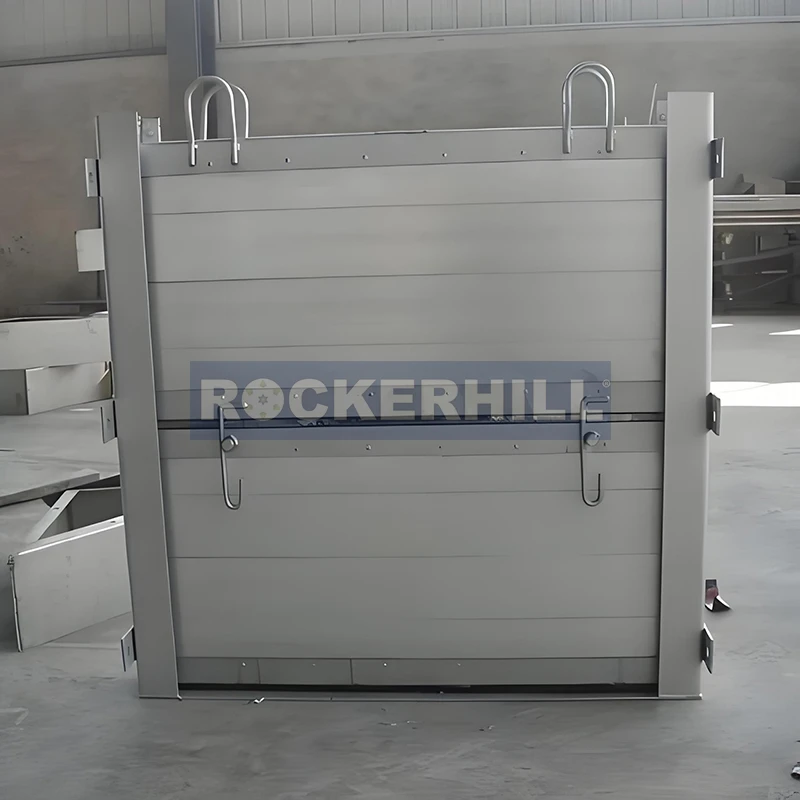

Now, when it comes to seismic performance, we're talking about how well stop logs can withstand the shaking and forces generated by an earthquake. Earthquakes can be pretty wild, and they can put a lot of stress on any structure, including stop logs.
One of the key factors in the seismic performance of stop logs is their design. A well - designed stop log should be able to handle the dynamic forces that come with an earthquake. For example, the material used matters a great deal. We often use high - strength materials like stainless steel because it's durable and can resist the forces exerted during seismic activity. Stainless steel also has good corrosion resistance, which is important since stop logs are usually in contact with water. You can learn more about stainless - related stop logs here: Stop Logs For Sea Water Desalination.
Another aspect of design is the shape and size of the stop logs. The shape should be aerodynamic and hydrodynamic to reduce the impact of water flow and seismic waves. A proper size is also crucial. If a stop log is too small, it might not be able to withstand the forces, and if it's too large, it could be difficult to install and maintain.
The way stop logs are installed is also a big deal for their seismic performance. They need to be properly anchored to the structure they're part of. A loose or poorly installed stop log can easily be dislodged during an earthquake, which could lead to a loss of water control and potentially cause flooding or other problems. During installation, we use specialized techniques to ensure a tight fit and a secure connection.
Seismic isolation is another strategy we can use to improve the performance of stop logs. This involves using devices that can absorb and dissipate the energy from seismic waves. For example, we can use rubber pads or springs between the stop log and the supporting structure. These isolation devices can reduce the amount of force transferred to the stop log, protecting it from damage.
Now, let's talk about testing. Before we supply stop logs, we conduct a series of tests to evaluate their seismic performance. We use computer - based simulations to model different earthquake scenarios and see how the stop logs will respond. We also do physical tests in a controlled environment. These tests help us identify any weak points in the design and make necessary improvements.
In addition to the technical aspects, the maintenance of stop logs is essential for their long - term seismic performance. Regular inspections can help us detect any signs of wear and tear, corrosion, or damage. We can then take timely action to repair or replace parts as needed. A well - maintained stop log is more likely to perform well during an earthquake.
When it comes to different applications, the seismic requirements for stop logs can vary. For example, stop logs used in a small irrigation channel might have different requirements compared to those used in a large dam. In a dam, the consequences of a stop log failure during an earthquake can be much more severe, so the seismic performance requirements are usually higher.
We also have other related products that can work in conjunction with stop logs to enhance water control and seismic resistance. For instance, Stainless Steel Flap Gates can be used to further regulate water flow and provide an additional layer of protection.
Overall, the seismic performance of stop logs is a complex but important topic. It involves considerations in design, installation, testing, and maintenance. By using the right materials, proper design techniques, and effective testing methods, we can ensure that our stop logs can withstand the challenges posed by earthquakes.
If you're in the market for stop logs, whether it's for a small - scale project or a large - scale infrastructure, we're here to help. We have a team of experts who can work with you to understand your specific requirements and provide the best - suited stop logs. We're committed to delivering high - quality products with excellent seismic performance. So, if you're interested in learning more or starting a procurement process, don't hesitate to reach out. We're eager to have a chat with you and discuss how we can meet your needs.
References
- Seismic Design Guidelines for Water - Related Structures
- Handbook on the Testing and Evaluation of Hydromechanical Equipment
- Research Papers on the Seismic Performance of Barrier Structures in Water Control Systems




