


Selecting the right bar screen for a specific flow rate is a critical decision in wastewater treatment and various industrial processes. As a bar screen supplier, I understand the importance of making an informed choice to ensure efficient and reliable operation. In this blog post, I'll guide you through the key factors to consider when selecting a bar screen for a given flow rate.
Understanding Flow Rate
Before delving into the selection process, it's essential to have a clear understanding of the flow rate. Flow rate refers to the volume of fluid (usually water or wastewater) that passes through a specific point in a given period, typically measured in cubic meters per hour (m³/h) or gallons per minute (GPM). Accurately determining the flow rate is the first step in choosing the appropriate bar screen.
There are two main types of flow rates to consider: average flow rate and peak flow rate. The average flow rate represents the typical volume of fluid passing through the system over an extended period. On the other hand, the peak flow rate is the maximum volume of fluid that the system may experience during short periods, such as during heavy rainfall or peak production times in an industrial setting. When selecting a bar screen, it's crucial to design for the peak flow rate to ensure that the screen can handle the highest volume of fluid without causing blockages or system failures.
Types of Bar Screens
There are several types of bar screens available in the market, each with its own advantages and limitations. The choice of bar screen depends on various factors, including the flow rate, the type of solids to be removed, and the specific requirements of the application.
Manual Bar Screens
Manual bar screens are the simplest and most cost - effective type of bar screen. They consist of a series of parallel bars spaced at a specific distance apart. Solids larger than the bar spacing are retained on the screen and must be manually removed. Manual bar screens are suitable for low - flow applications where the volume of solids is relatively small. However, they are not suitable for high - flow applications as manual cleaning can be time - consuming and labor - intensive.
Mechanical Bar Screens
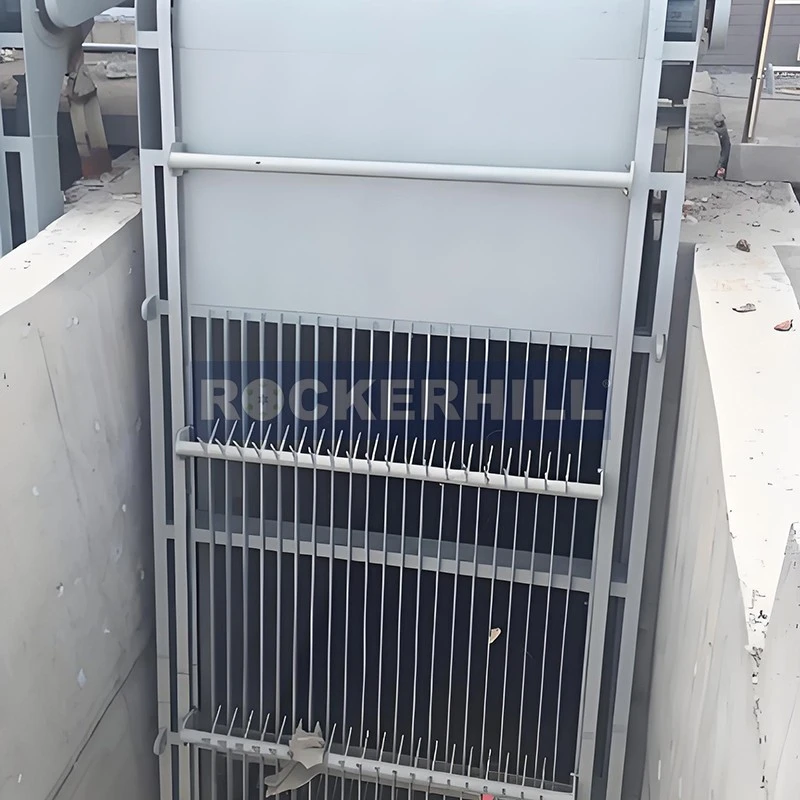
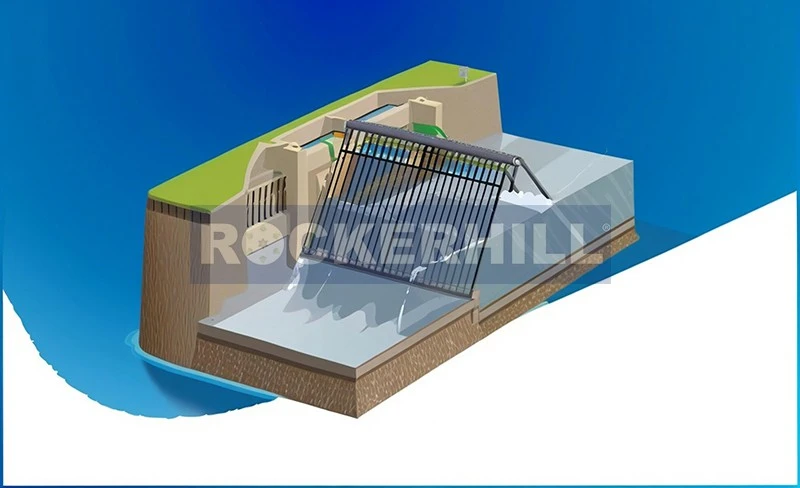
Mechanical bar screens, as the name suggests, use mechanical means to clean the screen. They are more suitable for high - flow applications as they can continuously remove solids from the screen, preventing blockages. There are different types of mechanical bar screens, including chain - driven, belt - driven, and rake - type screens. You can learn more about mechanical bar screens by visiting Mechanical Bar Screen.
Key Considerations for Selection
Bar Spacing
Bar spacing is one of the most important factors to consider when selecting a bar screen. It determines the size of the solids that can be removed from the fluid. The bar spacing should be chosen based on the size of the solids present in the fluid and the downstream treatment processes. For example, if the downstream process requires the removal of large solids, a wider bar spacing may be sufficient. However, if finer solids need to be removed, a narrower bar spacing is required.
Screen Area
The screen area is another crucial factor. It is directly related to the flow rate. A larger screen area allows for a higher flow rate without causing excessive headloss. To calculate the required screen area, you need to consider the peak flow rate and the allowable velocity through the screen. The allowable velocity is typically determined by the type of screen and the characteristics of the fluid.
Material of Construction
The material of construction of the bar screen is important for its durability and resistance to corrosion. Common materials used for bar screens include stainless steel, carbon steel, and fiberglass. Stainless steel is a popular choice due to its high corrosion resistance, especially in wastewater treatment applications. Carbon steel is more cost - effective but may require protective coatings to prevent corrosion. Fiberglass is lightweight and corrosion - resistant, making it suitable for certain applications.
Headloss
Headloss is the loss of energy as the fluid passes through the bar screen. Excessive headloss can lead to reduced flow rates and increased pumping costs. When selecting a bar screen, it's important to choose a design that minimizes headloss. Factors that affect headloss include the bar spacing, the screen area, and the shape of the bars. You can find more information about bar screen design and headloss considerations in Bar Screen Design.
Case Studies
Let's take a look at a couple of case studies to illustrate the importance of selecting the right bar screen for a specific flow rate.
Wastewater Treatment Plant
A medium - sized wastewater treatment plant was experiencing frequent blockages in its bar screen system. The original bar screen was designed for an average flow rate but could not handle the peak flow rates during heavy rainfall. As a result, the plant had to shut down the treatment process several times for manual cleaning, leading to significant operational costs. After consulting with our team, the plant replaced the existing bar screen with a mechanical bar screen with a larger screen area and appropriate bar spacing. This new bar screen was designed to handle the peak flow rates, and since then, the plant has not experienced any blockages, improving the overall efficiency of the treatment process.
Industrial Application
An industrial facility that produces food products had a problem with solids clogging its process pipes. The facility had a relatively high - flow rate of wastewater, and the existing manual bar screen was unable to keep up with the volume of solids. We recommended a chain - driven mechanical bar screen with a narrow bar spacing to remove the fine solids present in the wastewater. After installation, the new bar screen effectively removed the solids, preventing blockages in the pipes and reducing maintenance costs.
Calculating the Right Bar Screen for Your Flow Rate
To calculate the right bar screen for a specific flow rate, you can follow these general steps:
- Determine the peak flow rate: This can be done by analyzing historical flow data or by using industry standards for your specific application.
- Select the appropriate bar spacing: Based on the size of the solids in the fluid and the downstream treatment requirements.
- Calculate the required screen area: Use the peak flow rate and the allowable velocity through the screen. The formula for calculating the screen area (A) is (A=\frac{Q}{V}), where (Q) is the peak flow rate and (V) is the allowable velocity.
- Choose the type of bar screen: Consider factors such as the flow rate, the volume of solids, and the available budget.
Conclusion
Selecting the right bar screen for a specific flow rate is a complex but crucial process. By considering factors such as bar spacing, screen area, material of construction, and headloss, you can ensure that your bar screen operates efficiently and reliably. As a bar screen supplier, we have the expertise and experience to help you make the right choice for your application.
If you are in the process of selecting a bar screen for your project or if you have any questions about our products, we encourage you to contact us for a consultation. Our team of experts will work with you to understand your specific requirements and recommend the most suitable bar screen solution.
References
- Metcalf & Eddy. (2003). Wastewater Engineering: Treatment and Reuse. McGraw - Hill.
- Water Environment Federation. (2019). Design of Municipal Wastewater Treatment Plants. Water Environment Federation.




