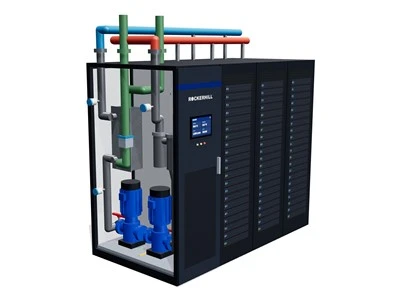
Reverse Osmosis (RO) is a high-efficiency filtration process that eliminates up to 99.7% of dissolved salts, organic substances, heavy metals, and microbes from water. At the heart of the system is a semi-permeable membrane that allows only pure water molecules to pass, rejecting contaminants under high pressure. RO is widely used in industries such as pharmaceuticals, food and beverage, and power generation, as well as for municipal and residential purification needs.
What is reverse osmosis water?
Reverse osmosis (RO) water is water that has been purified through a semi-permeable membrane, which removes up to 99.7% of dissolved solids, salts, bacteria, heavy metals, and organic contaminants. It results in exceptionally clean water, often used for drinking, industrial processing, and medical applications. RO water has low conductivity, minimal total dissolved solids (TDS), and is often used when high-purity water is required.
How reverse osmosis filter works?

Reverse osmosis system stages
RO systems feature three, four, or five stages of filtration. Every reverse osmosis water system has a sediment filter, a carbon filter, and the RO membrane. Depending on whether water passes through them before or after the RO membrane, the filters are called pre-filters or post-filters.
Reverse osmosis system process
1. Pre-treatment stage
The process begins with pre-filters, including sediment filters that remove larger particles like sediment, chlorine, and organic matter, which could damage or clog the RO membrane. This initial step ensures that the water is adequately prepared for the more detailed filtration to come.
2. Reverse osmosis filtration
High pressure is applied to the water at this core stage, pushing it through the semipermeable membrane. This membrane, the critical component of the system, features tiny pores (about 0.0001 microns) that allow only water molecules to pass while effectively blocking and removing a significant amount of dissolved salts, chemicals, and microorganisms. The purified water, termed the permeate, is then collected in a storage tank for later use.
3. Wastewater disposal
The concentrated contaminants, which do not pass through the semipermeable membrane, are expelled as wastewater or "brine." This step involves a flow restrictor and drain system that manages water flow through the membrane, maintaining efficiency and preventing the membrane from becoming overwhelmed by pressure. Typically, this process generates about 3-4 gallons of wastewater for every gallon of purified water, which is then properly drained away.
4. Storage and delivery
The processed water is stored in the storage tank until needed. When there is a demand for water, it is delivered through a dedicated faucet, providing clean, safe drinking water on demand. This system ensures that purified water is available instantly whenever required by the user.
5. Post-treatment stage
On demand, water from the tank passes through a post filter on the way to the faucet, providing a fresh pass through carbon to remove any residual taste.
Does a reverse osmosis system waste water?
Reverse osmosis systems are sometimes criticized for their water use. Most RO systems waste about four gallons of water for every gallon produced. Unlike other filters that trap contaminants, a reverse osmosis system divides water into two streams: one stream delivers purified water to a faucet, and another carries the filtered contaminants to the drain as wastewater, called brine.
However, the brine water is used for a purpose, so it is not exactly wasted. The wastewater in an RO system helps clean the water, just like a dishwasher uses water to wash dishes or a washing machine uses water to clean clothes. However, it is our job to care for the environment, minimize the amount of water sent to the drain, and increase the efficiency of the RO system.
How to improve the efficiency of your RO system
Add a permeate pump. Installing a permeate pump to a reverse osmosis system is the best way to increase efficiency. Permeate pumps reduce the wastewater from an RO system by 75 to 80%. Not every RO system can accommodate a permeate pump, so make sure the system you choose can.
Use the RO reject water for landscaping or artificial lakes. Drain water has higher total dissolved solids (TDS) levels, but the water has been filtered, making it perfect for your lawn or garden.

Benefits of Drinking Reverse Osmosis Water

1. Removal of Contaminants
Reverse osmosis reliably eliminates up to 99‑99.5% of total dissolved solids (TDS), including:
- Heavy metals such as lead, arsenic, mercury, and copper
- Salts and hardness ions: calcium, magnesium, sodium
- Chemicals and organics: pesticides, chlorine, volatile organic compounds (VOCs)
- Microorganisms: bacteria, viruses, and parasites like Cryptosporidium and Giardia
2. Improved Taste and Odor
By removing chlorine, sulfur, iron, and other impurities, RO water delivers crisp, clean taste without chemical or metallic flavors. It also enhances the cooking outcomes of rice, coffee, tea, and soups
3. Health & Hydration Benefits
Encourages increased water intake due to improved taste, supporting better hydration and metabolism
Supports kidney and urinary system health by reducing mineral load in water, minimizing risk of kidney stones and high blood pressure
Improve skin and hair condition by removing chlorine and hard-water minerals that irritate sensitive skin and dry the scalp.
4. Environmental & Economic Advantages
Cuts bottled water consumption, reducing plastic waste and carbon footprint.
Cost-effective over time: initial system investment is offset by long-term savings versus buying bottled water.
Energy-efficient modern systems, especially with updated membranes and smart flow technology.
Disadvantages of Reverse Osmosis Water
While reverse osmosis (RO) systems are highly effective at purifying water, they come with several drawbacks that are important to consider:
1. Removes Essential Minerals
RO systems eliminate not just contaminants but also beneficial minerals like calcium, magnesium, and potassium. Long-term consumption of demineralized water may result in mineral deficiencies unless these minerals are reintroduced through diet or remineralization.
2. Significant Water Wastage
For every 1 liter of purified water, an RO system typically discards 2 to 3 liters as wastewater. This inefficiency can be a concern in regions facing water scarcity or for users mindful of sustainable resource usage.
3. Slower Filtration Rate
RO units generally purify water at a slower pace. Due to the low flow rate, most systems require a storage tank to meet normal household demand.
4. Dependent on Electricity
Advanced RO systems-especially those with booster pumps-require electrical power, making them less suitable in off-grid or power-outage-prone areas.
5. Higher Installation and Maintenance Costs
Compared to traditional filtration methods, RO systems are more expensive to install and maintain. Regular membrane and filter replacements add to the operating cost.
6. Acidic Water Output
RO water tends to have a pH between 5 and 6, making it slightly acidic. Prolonged exposure to acidic water can affect plumbing systems and potentially disrupt the body's pH balance if not buffered.
7. May Alter Taste
Because RO strips away both contaminants and minerals, the resulting water may taste flat or bland. Mineral loss can reduce the natural flavor that many consumers associate with fresh water.
RO system maintenance tips
Maintaining a reverse osmosis system is essential to ensure optimal performance and longevity. Here are some key maintenance tips for keeping your RO system in top shape.
Replace filters regularly
Pre- and post-filters (usually sediment and carbon filters) need to be replaced every 6-12 months, depending on your water quality and usage. The membrane typically lasts 2-3 years but can wear out faster if not maintained properly. Have the system checked annually to ensure everything is working efficiently.
Monitor the RO membrane
It is important to check the membrane performance with a TDS meter periodically. The TDS level from the system will start to increase as the membrane closes in on replacement time. They should be replaced when RO water TDS reaches about 3035% of tap water. Typically, an RO membrane needs replacing every 2–3 years.